
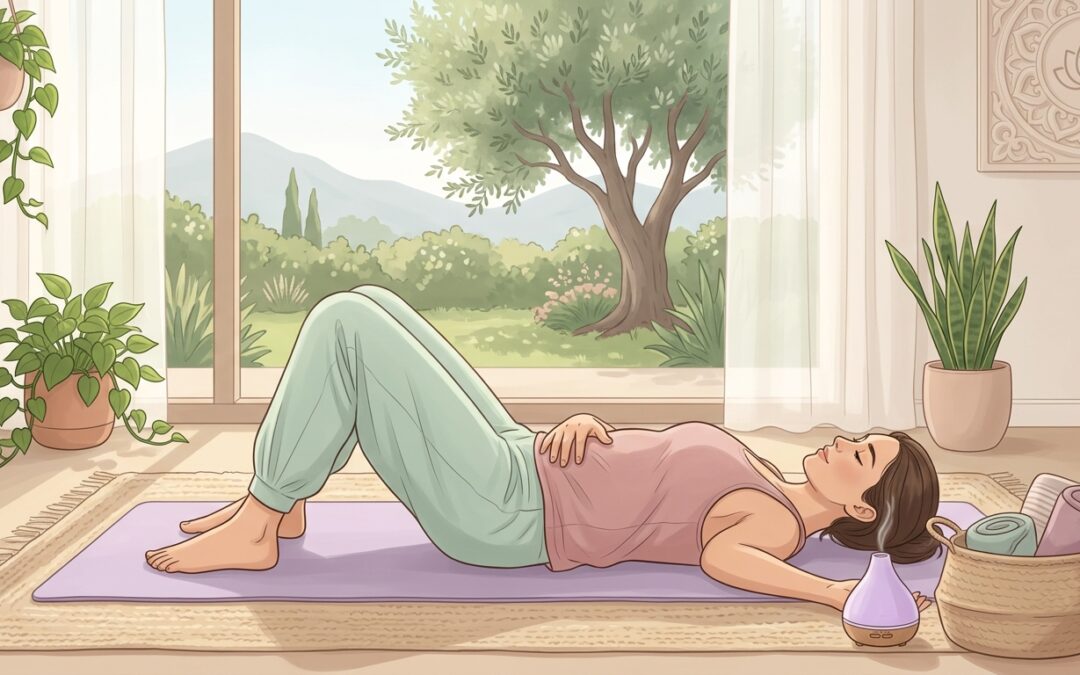
Postpartum Yoga: Recovering Safely After Birth
Postpartum Yoga: Recovering Safely After Birth
The weeks and months after childbirth bring enormous physical and emotional change — healing tissue, shifting hormones, disrupted sleep, and an entirely new relationship with your own body. Postpartum yoga is designed specifically for this season: not to “bounce back,” but to rebuild strength, ease tension, and support recovery at a pace your body actually needs.
At Ujain Yoga Studio, we work closely with new mothers to build a practice around where their body is right now — not where it used to be, and not where social media says it should be.
Why Postpartum Yoga Is Different
Pregnancy and childbirth change the body in ways that don’t reverse overnight. The core and pelvic floor muscles have been stretched and often weakened, joints may still carry pregnancy hormones that increase flexibility (and injury risk), and many common postnatal issues — like diastasis recti (abdominal separation) — need specific, gentle rebuilding rather than generic ab work.
Postpartum yoga is built around this reality: gentle strengthening, pelvic floor awareness, and gradual progression, rather than jumping back into a pre-pregnancy routine.
When to Start
There’s no single answer — it depends on the type of birth, any complications, and your doctor’s guidance.
- Vaginal birth, no complications: many practitioners begin very gentle breathing and pelvic floor work within the first couple of weeks, with fuller movement often introduced around 6 weeks
- C-section or complicated birth: recovery typically takes longer, often 8–12 weeks or more before movement beyond gentle breathing and walking is appropriate
Always get clearance from your doctor or midwife before beginning any postpartum exercise, including yoga. Every recovery is different, and this guidance is general — not a substitute for medical advice specific to your birth and body.
Safe Postpartum Yoga Practices
1. Breath and Pelvic Floor Reconnection
Before any physical strengthening, reconnecting with the breath and gently engaging the pelvic floor (without straining) helps rebuild the foundation for safe movement.
2. Gentle Core Rebuilding
Rather than crunches or intense core work, postpartum practice starts with subtle engagement — think of it as “waking up” the deep core muscles, not challenging them.
3. Cat-Cow Stretch
A gentle, mobilizing movement for the spine that also encourages awareness of the core and breath working together.
4. Supported Child’s Pose
Especially helpful for releasing tension in the low back and shoulders — common tight spots from feeding and carrying a newborn.
5. Gentle Hip and Shoulder Openers
Seated or supported stretches for the hips and shoulders can ease the physical strain of constant lifting, holding, and feeding.
6. Restorative Poses and Yoga Nidra
Sleep-deprived, adjusting bodies benefit enormously from restorative, low-effort practices that prioritize nervous system recovery over physical exertion.
What to Avoid Early On
- Deep twists or intense core work (crunches, boat pose) until cleared, especially with diastasis recti
- Deep backbends or intense stretching, since pregnancy hormones affecting joint laxity can linger for months
- Inversions or intense pressure through the abdomen without guidance
- Pushing through fatigue — postpartum recovery is not the time to “push past” tiredness
The Emotional Side of Postpartum Yoga
Beyond the physical, this period often carries emotional weight — identity shifts, sleep deprivation, and for many, symptoms of postpartum anxiety or low mood. Gentle movement and breathwork can support emotional regulation, but they are not a substitute for professional support if you’re struggling. If you’re experiencing persistent sadness, anxiety, or feelings that concern you, please reach out to your doctor — postpartum mental health is common and treatable, and you deserve support.
Getting Started Safely
Every postpartum body is different, and a good instructor will ask about your birth, any complications, and how you’re feeling before building a practice around you — not the other way around.
At Ujain Yoga Studio, our postpartum sessions are gentle, personalized, and paced to your recovery — with babies welcome in select sessions.
Ready to rebuild strength at your own pace? Get in touch to book a session, or explore our class calendar.
Related reading: Restorative Yoga for Stress Relief · Yoga Nidra: The Art of Yogic Sleep · Hatha Yoga


